Resilient infrastructure
Power distribution, high-density computing, networks, and facilities designed around continuity, efficiency, and real operating constraints.
Systems architect · Engineer · Independent researcher
I’m Galen Matson. I build power, computing, and network systems, and explore what it would take to build an interplanetary economy.
The common thread is infrastructure: systems that make other things possible.
01 / Momentum Exchange Banks
A research proposalWhat if a ship could borrow the machinery for its next maneuver?
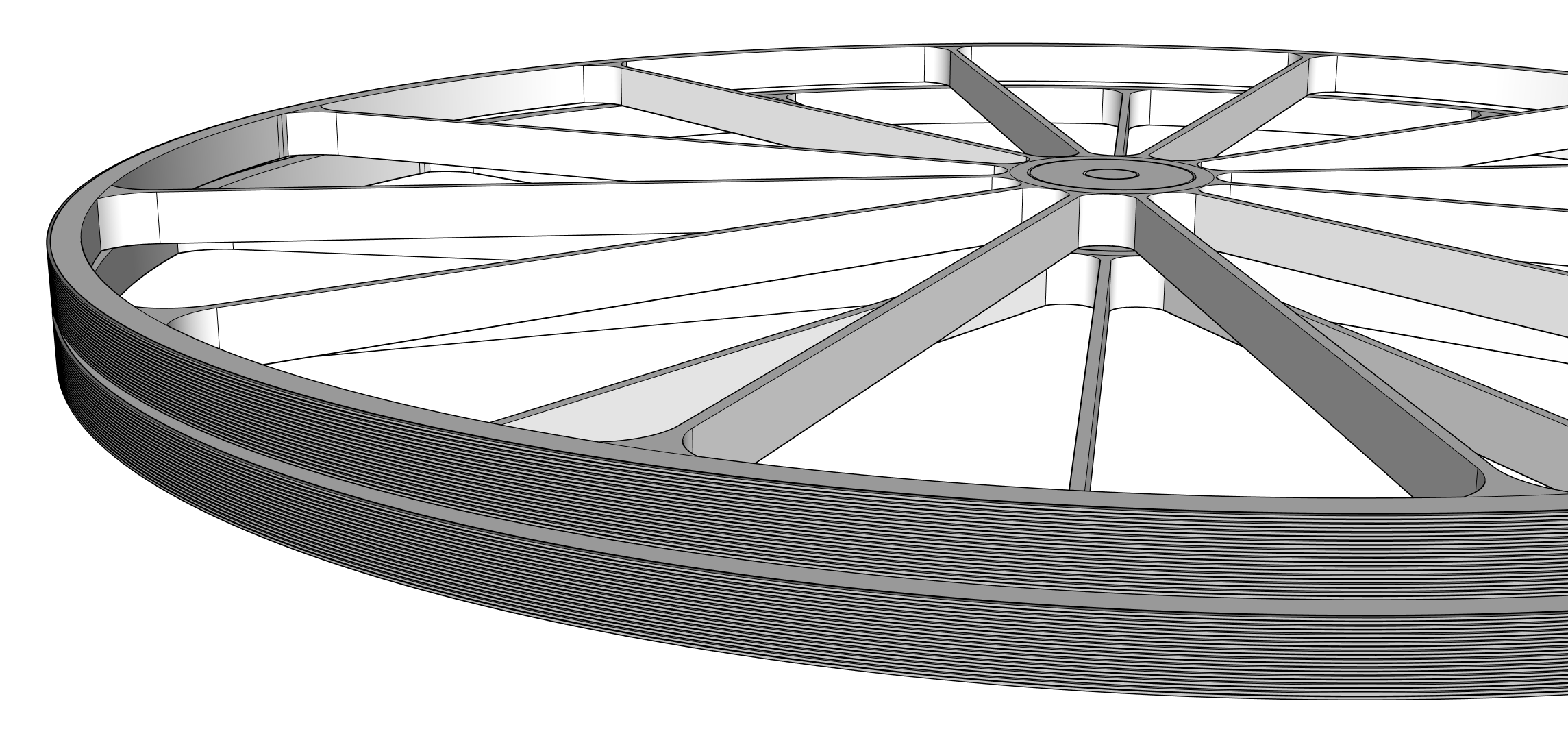
A Momentum Exchange Bank, or MEB, is a proposed orbital port. Tethers transfer force between the bank and passing spacecraft. Large flywheels store rotational energy. Arriving traffic can return useful energy and momentum to the system.
The machinery stays in space to serve the next ship. The goal is reusable transport infrastructure for an industrial solar system.
01 / Capture
A maneuvering tetherhead matches the approaching ship and attaches to reinforced tow points. A controlled pull changes the ship’s trajectory.
Conceptual sequence. Encounter geometry, timing, and flexible structures require a coupled simulation.
The bank recoils when it changes a ship’s velocity. Traffic, propulsion, or other external forces must balance that impulse over time.
The current design uses two counterrotating flywheels, independent reels, and a service structure that carries utilities and propulsion.
Flywheels store energy; power plants replenish it. Conversion losses and waste heat stay in the engineering budget.
02 / The Momentum Exchange Network
Ports connect places. Infrastructure lets them become an economy.
A Momentum Exchange Network would coordinate banks near useful destinations. Ships could travel between ports while energy, momentum, and cargo move through the larger system.
Bulk freight can favor economy. Passengers may favor speed. The interesting question is what becomes possible when every ship can share the transport machinery.
Banks in the Earth–Moon region could connect local industry with interplanetary routes. Getting people and materials off Earth remains a separate part of the transport system.
03 / Get a feel for the scale
An illustrative calculationChange the ship’s mass and velocity gain. Watch how the energy requirement and bank recoil respond.
Energy gained by the ship
500 TJ½ × mass × velocity²Bank recoil
1 m/sPayload-energy recharge
17.4 hoursDouble the velocity gain, and this payload energy becomes four times as large.
This example starts the ship at rest in the bank’s initial inertial frame. A ton means 1,000 kg. Bank mass is fixed at 100 million tons, with no external impulse during the short exchange. Recoil magnitude is ship momentum divided by bank mass.
Recharge assumes 10 GW of generation and 80% efficiency into useful stored energy. It covers the payload’s kinetic energy only. Bank recoil energy, tether motion, heat, additional conversion losses, and restoring the bank’s orbit require separate budgets. This is an idealized energy and impulse calculation, not a mission or travel-time simulation.
Keep going
The original white paper develops the MEB concept, its subsystems, and the network. The design is evolving; the newer direction described here separates the fast flywheels from the service structure and keeps energy, angular momentum, and orbital recoil in distinct accounts.
Read the original paper04 / Selected work · Archittec / Cyberplex
Concept designSolar architecture that makes power part of the building.
My Cyberplex work explores large solar structures and the infrastructure around them. I developed the initial concepts and SketchUp models; professional visualization artists brought selected designs to life in commissioned renderings.
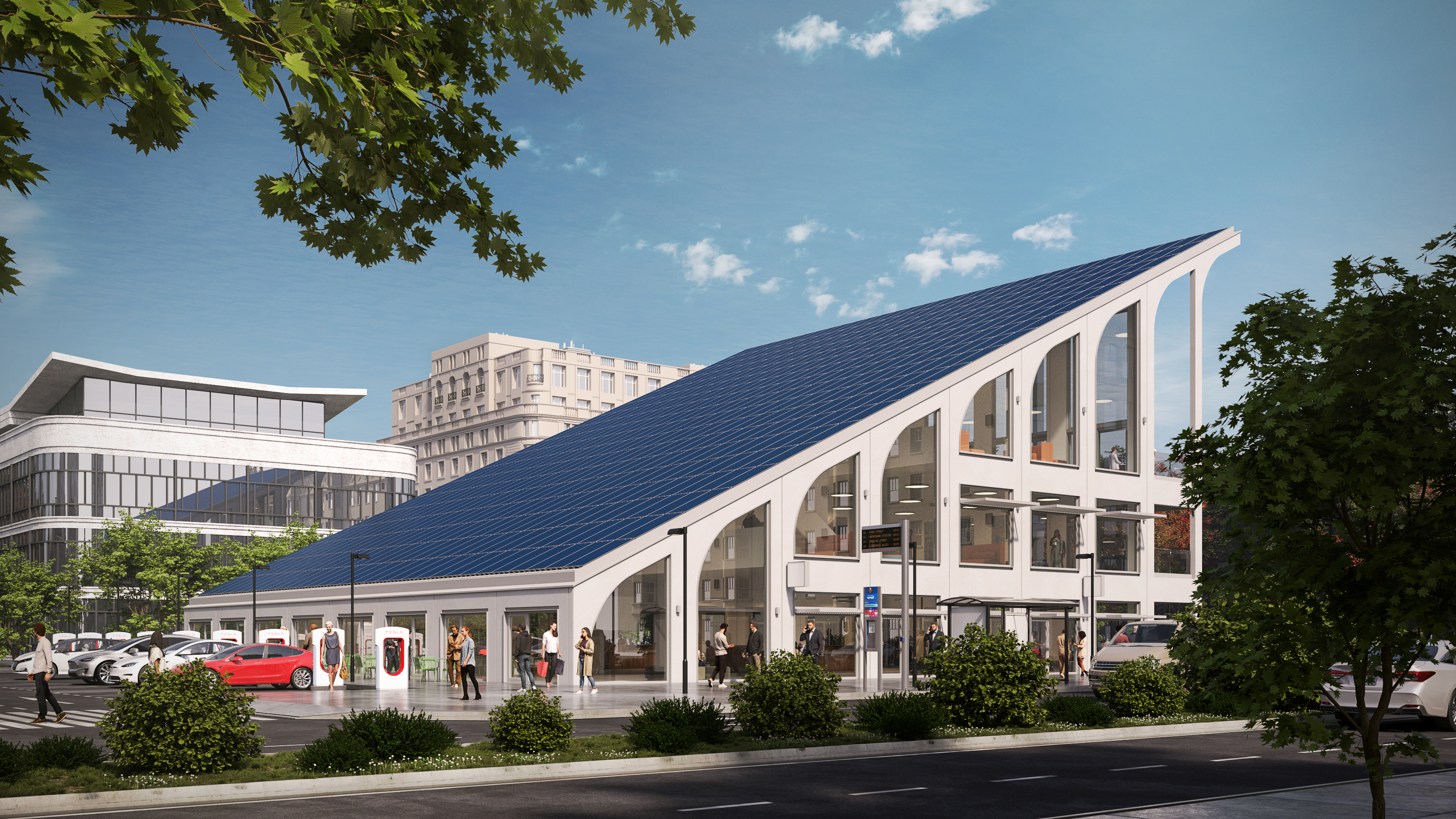
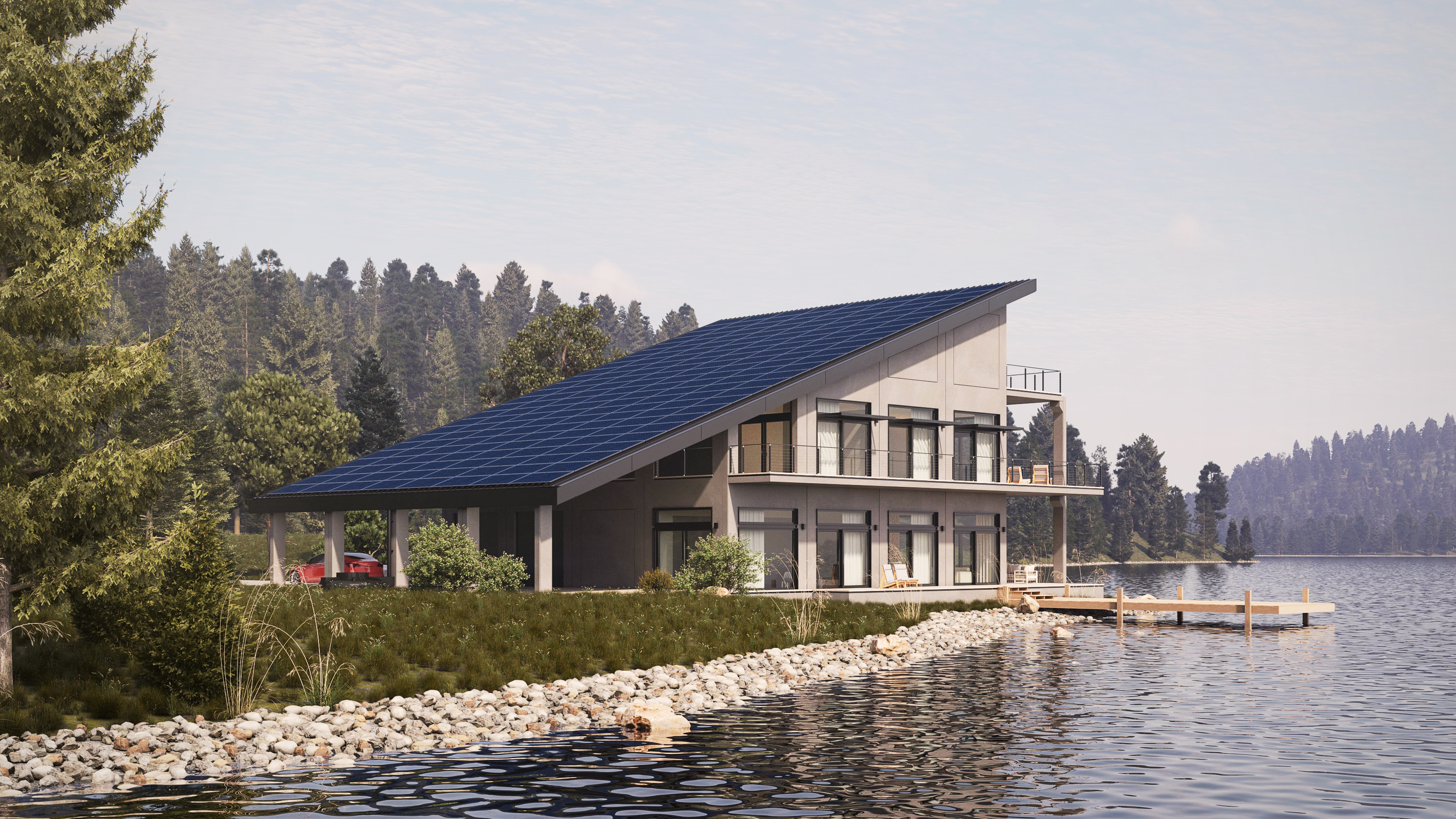
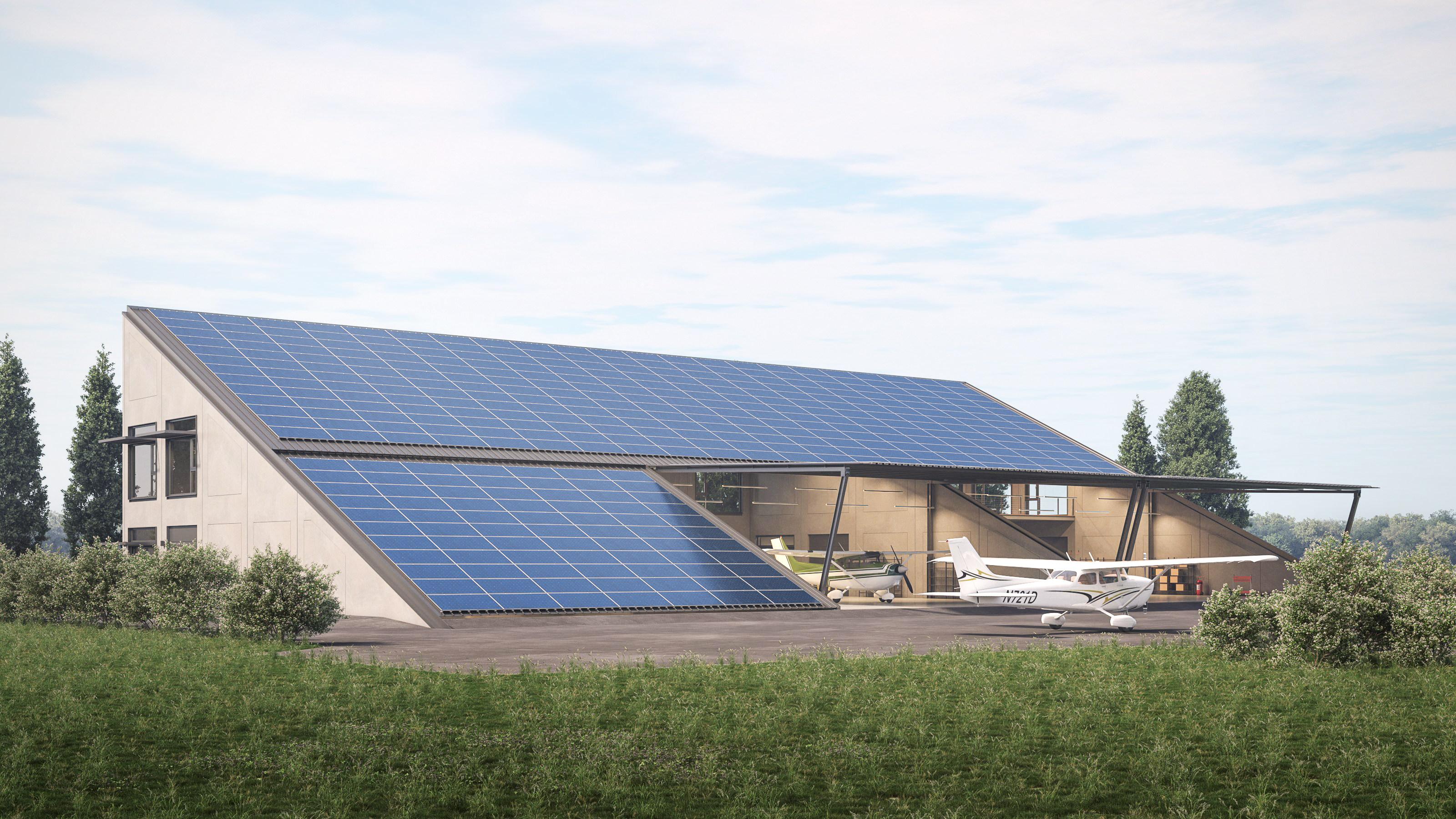
A related concept study brings computing space, solar generation, cooling, and maintenance access into the same architectural model. Its headline specifications include a 730 kW solar roof and approximately 58 MW of IT capacity. The roof supplies a fraction of that demand; the broader off-grid campus concept includes additional generation and storage.
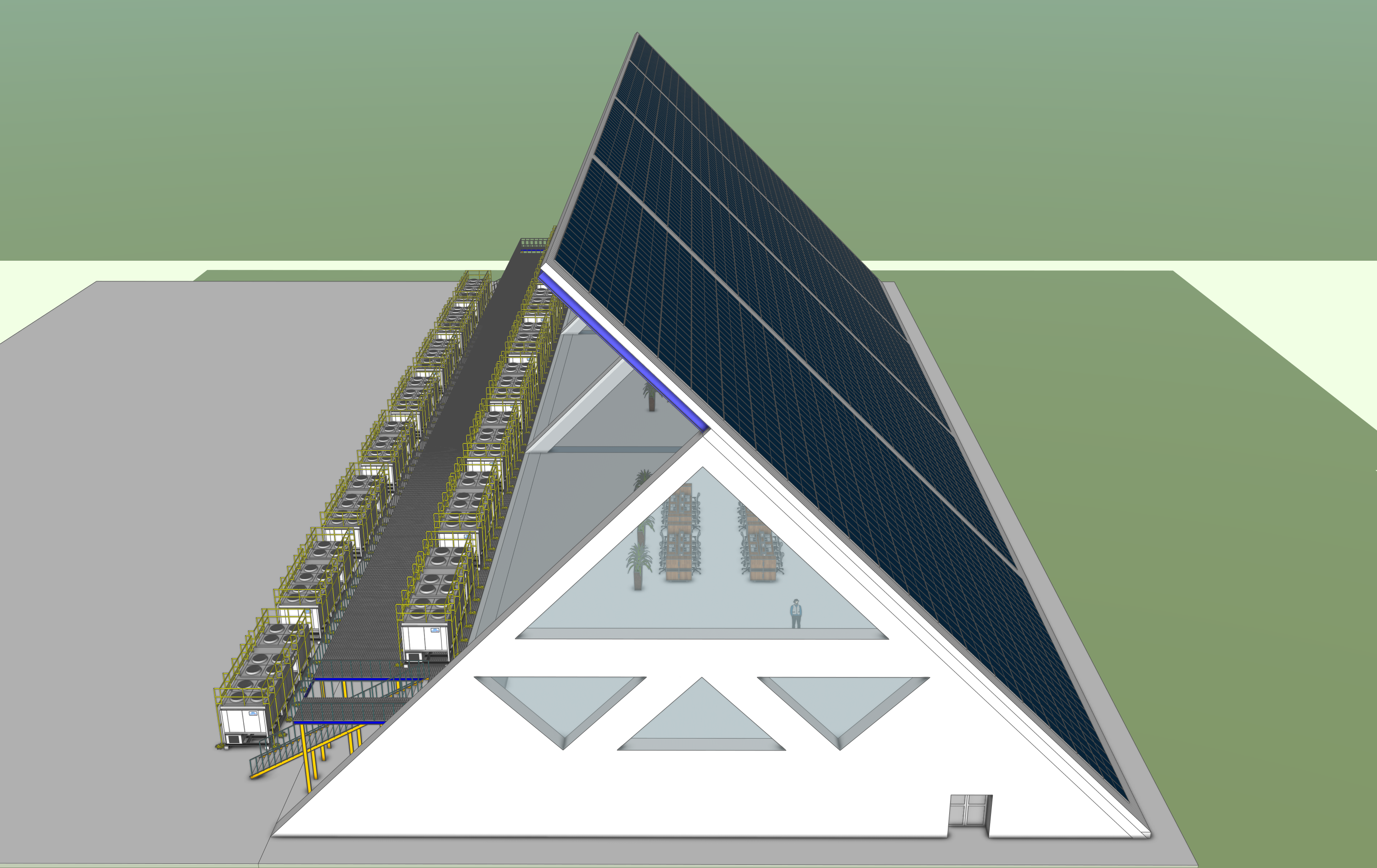
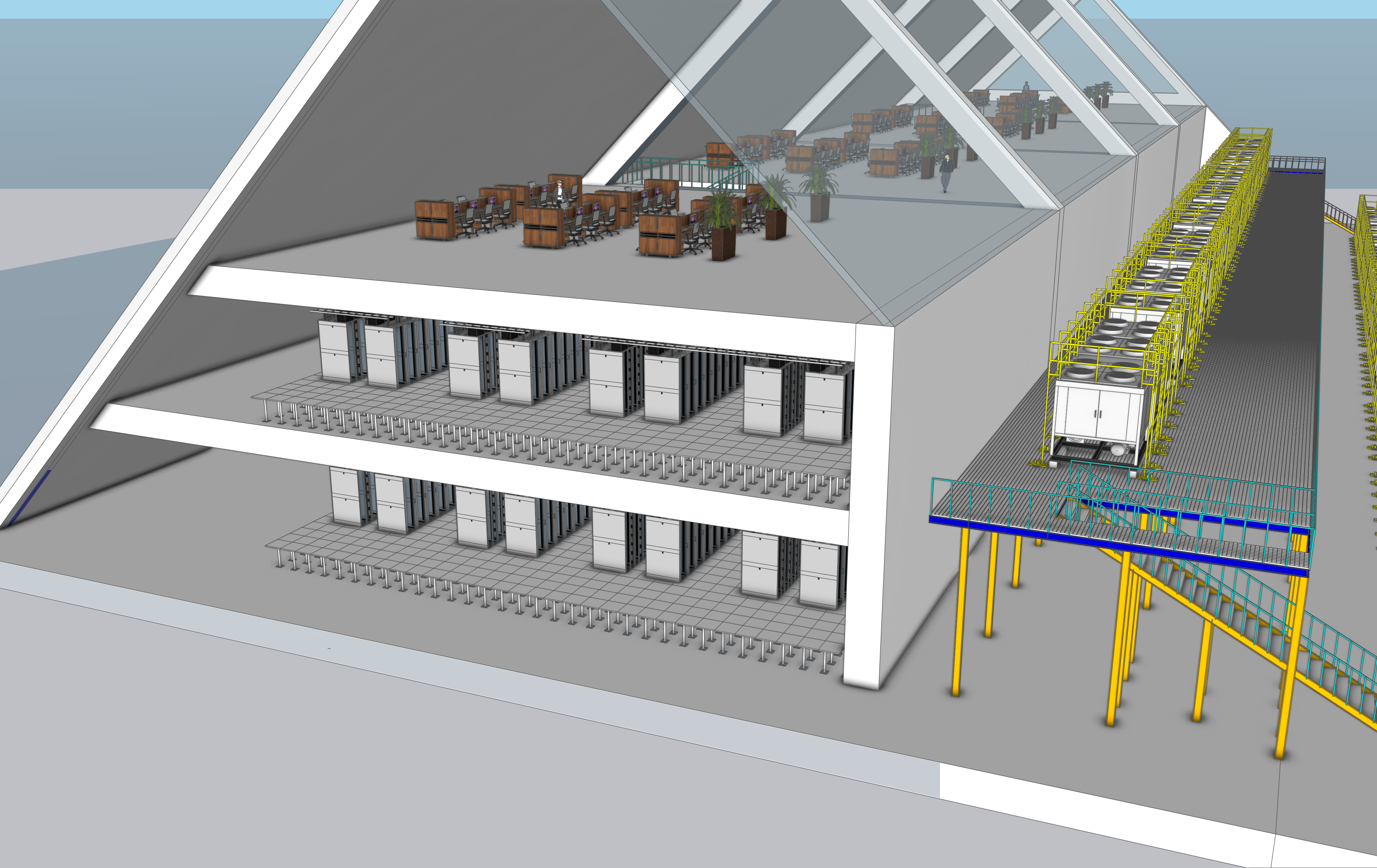
The large solar roof is a defining part of the form. Solar generation and occupied space are considered together from the beginning.
The model makes room for computing equipment, cooling systems, and access around the building. The infrastructure is part of the design.
Structure, maintenance, electrical systems, and occupied space are developed together. These are selected concepts from a wider body of engineering and consulting work.
05 / A little about me
My background is in the infrastructure that people depend on when conditions are difficult.
I’ve spent more than twenty years working across critical data centers, power, computing, and communications. That includes infrastructure in austere environments, resilient energy systems, and the practical work of making different technologies operate together.
As cofounder and chief engineer of Archittec, I also work on astronomical data and ways to make space understandable. The question that connects these projects is simple: what can we build that makes more things possible?
Power distribution, high-density computing, networks, and facilities designed around continuity, efficiency, and real operating constraints.
An astronomical database and AI-assisted research platform bringing together observations, scientific literature, and tools for understanding our stellar neighborhood.
An interactive 3D star map: a way to move through astronomical data and turn a catalog of objects into places worth exploring.
Have a useful question?